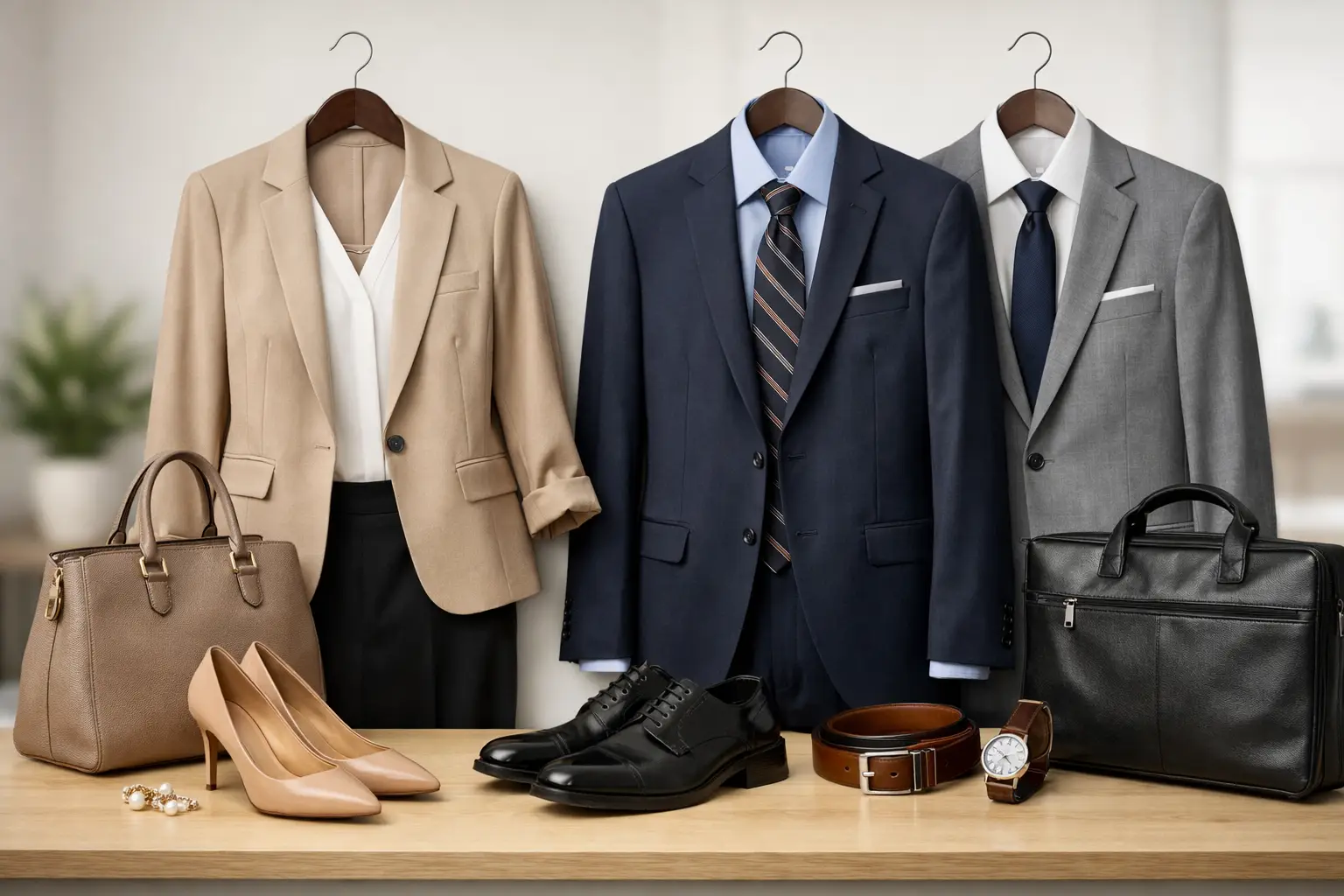
The interview invitation is exciting. The 20 minutes before you leave, when your bed is covered in shirts and you suddenly question every pair of shoes you own, are less exciting. The best outfit ideas for job interview days do not rely on buying a whole new persona. They help you look prepared, capable, and like yourself on a particularly good day.
A strong interview outfit is less about following one rigid dress code and more about reading the room. Your goal is to remove distractions so the interviewer can focus on your answers, your energy, and what you can bring to the role.
Start with the company, not the closet
Before choosing anything, research how people at the company actually dress. Look at the company website, social posts, leadership photos, and employee profiles. A financial firm, law office, luxury hotel, and government role will usually lean more formal than a design studio, startup, or creative agency.
When you are unsure, aim one level more polished than the everyday employee uniform. If the office appears to be jeans and sneakers, dark jeans or tailored pants with a crisp shirt, knit, or blazer usually lands well. If the environment looks business casual, choose a more structured version of it. For a formal office, a suit or coordinated tailoring is the safest call.
This is not about blending in perfectly. It is about showing that you understand the setting and can make considered choices.
Build your look around fit first
Fit does more work than a logo, trend, or expensive fabric. A clean, well-fitting outfit reads as intentional even when it is simple. Check your pieces standing up and sitting down. A jacket should let you move your arms comfortably. Pants should not pull at the hips or drag on the floor. A shirt should lie flat at the buttons.
If you have one item to prepare, make it the outer layer. A blazer, structured cardigan, polished overshirt, or tailored jacket creates a clear outline and makes an outfit look finished. It also gives you an easy way to adjust if the room is colder or more formal than expected.
Avoid wearing something for the first time on interview day. New shoes can hurt, a stiff collar can distract you, and an unfamiliar silhouette can make you fidget. Choose clothes that let you forget about your clothes.
Outfit ideas for job interview settings
For a corporate or formal office
A matching suit is still a smart choice for industries where professionalism is visually traditional. Navy, charcoal, medium gray, deep brown, and black are dependable options. Pair it with a white, soft blue, cream, or pale-toned shirt or blouse. A simple dress with a blazer also works well when the fabric holds its shape and the hemline feels office-appropriate.
Keep the finish controlled: closed-toe loafers, flats, pumps, polished boots, or leather dress shoes; a neat belt if you are wearing one; and minimal jewelry. A tie can make sense for some roles, especially client-facing finance, law, or formal sales. In more modern offices, it may feel overdressed, so use the company’s visual cues.
For business casual roles
Business casual gives you more room to show personal style, but it still benefits from structure. Try tailored trousers with a fine-gauge knit and loafers, or a midi skirt with a tucked-in blouse and a blazer. A button-down with chinos, a polished knit polo, or a simple crewneck layered over a shirt can work well too.
This is where color can make an outfit feel more personal. A forest green knit, dusty blue shirt, burgundy blouse, or warm rust top can look memorable without taking over the conversation. Keep the rest of the outfit quieter so one color has space to work.
For a startup, creative, or casual workplace
Casual does not mean careless. Dark, non-distressed jeans can be appropriate when they are paired with elevated pieces such as a blazer, clean knit, tucked-in shirt, refined T-shirt, or sleek boots. A coordinated set, tailored wide-leg pants, or a modern overshirt can also strike the right balance.
Skip anything that looks like weekend errand wear: heavily ripped denim, graphic slogans, gym clothes, wrinkled hoodies, or worn-out sneakers. Some fashion and media roles invite a more expressive look, but the rule remains the same: choose one personal element, not five competing ones. That could be an interesting texture, a sharp accessory, or a color that suits you exceptionally well.
For a virtual interview
The camera changes the calculation. Your upper half matters most, but wearing a complete outfit can still help you sit and speak differently. Choose a solid top or a subtle, medium-scale pattern. Tiny stripes, bright white near your face, and busy prints can look distracting on screen.
Set your camera at eye level and check your framing before the call. Make sure your top contrasts with the background, and test how your color appears in the actual lighting. A deep blue, muted green, soft berry, or warm neutral often reads better than gray that blends into the wall behind you.
Let color support your first impression
Color is one of the fastest ways to look awake and put together. The right shade brings definition to your face. The wrong one can make you look tired, washed out, or like the clothes arrived before you did.
Start with a color close to your natural contrast level. If your hair, eyes, and skin have gentle contrast, softer shades such as slate blue, taupe, sage, rose, or muted navy may feel balanced. If your features have stronger contrast, clearer navy, black, crisp ivory, deep emerald, cobalt, or rich red can hold their own.
You do not need to wear only neutrals to be professional. You just need a deliberate palette. Try one main color near your face, then use neutral pants, a skirt, or a jacket to ground it. If you already know your personal color palette, it is an easy shortcut to choosing a top that photographs well and makes your complexion look more rested.
Keep accessories and grooming quiet but intentional
Interview accessories should finish the outfit, not become the topic. Choose a clean bag that can hold your essentials, shoes without visible scuffs, and jewelry that does not make noise when you move. If you wear a watch, make sure it fits the overall level of formality.
Grooming follows the same principle. Steam or press your clothes. Check for lint, loose threads, pet hair, and missing buttons. Keep hair neat in a style you will not keep touching. Go easy on fragrance because interview rooms are often small, and people can be sensitive to scent.
Bring a small backup kit if you have time: a lint roller, stain wipe, breath mints, hair tie, and a pen. It is not glamorous, but it prevents tiny problems from taking up mental space.
The final test: can you focus in it?
Put the full outfit on the day before. Sit down, stand up, walk around, and practice your introduction out loud. If you cannot stop adjusting a sleeve, worrying about a neckline, or wondering whether your shoes are too casual, change the piece now.
The goal is not to look like someone else’s idea of a perfect candidate. It is to show up looking organized, comfortable, and ready to contribute. Take a selfie in your final look, check the colors and proportions, then leave the outfit decision behind. Your attention belongs in the interview.
Want a faster way to test what works from your own wardrobe? Use SHMOT to scan your closet, try combinations on your photo, and plan an interview-ready look before the morning rush.